A safety plan is a short, personal list of warning signs and steps that can help during a suicidal crisis. It does not replace emergency or professional care.
If there is immediate physical danger, an active attempt, or a medical emergency, contact emergency services immediately.
What you can do now
Take these steps in order.
1
If you may act now, contact 988 and move toward another person.
2
Build the plan with a qualified professional or trusted supporter.
3
Keep it easy to find and update it when life changes.
Words you can use
Copy, send, or say this:
“Can you help me make a safety plan and stay with me while we decide who else needs a copy?”
A recognized safety plan includes
Your personal warning signs
Internal coping strategies
People and places that can provide distraction
People you can ask directly for help
Professional and crisis contacts
Steps to make your surroundings safer
Make each step specific
Write names, phone numbers, locations, and actions—not general intentions. Choose people who have agreed to help. Keep backup contacts in case someone is unavailable.
Safety planning is collaborative
A worksheet alone is not enough in an emergency. Review the plan with a clinician or trusted supporter, and make sure adults are involved when the person at risk is a child or teenager.
Use the official worksheet
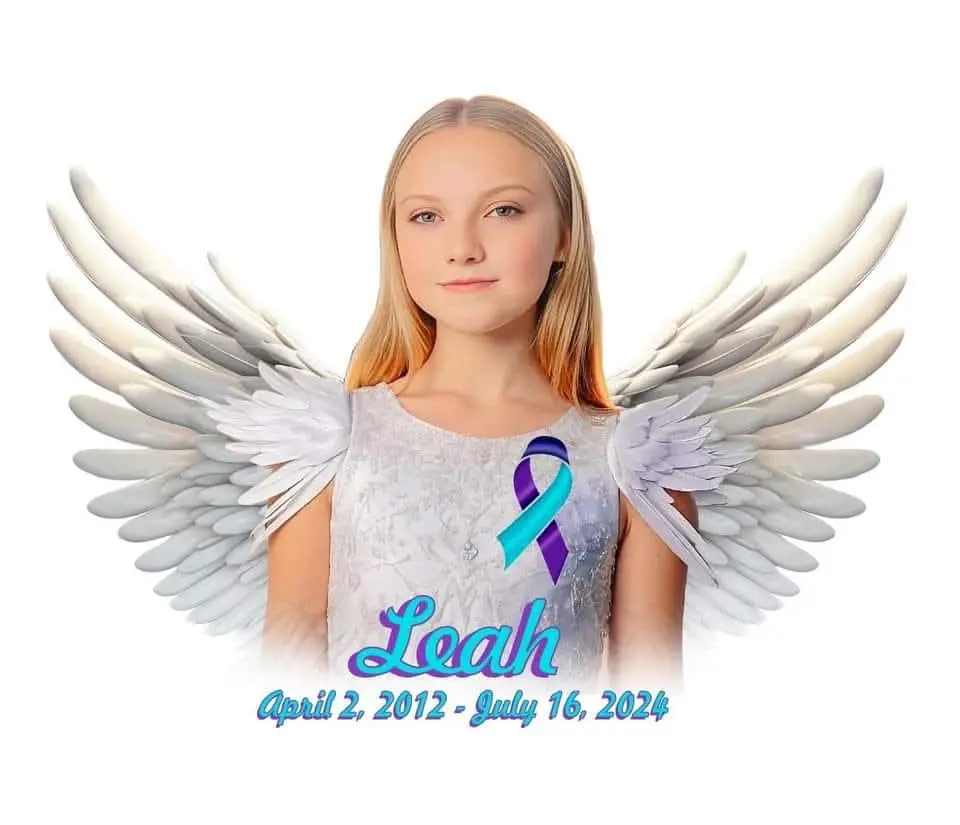
SAMHSA provides a printable safety plan based on a recognized six-step framework. Leah Matters links to it rather than inventing a clinical tool.
Qualified review pending — not clinically endorsed. A licensed mental-health clinician with relevant clinical scope and a suicide-prevention specialist must review this page. A licensed youth mental-health clinician and a suicide-prevention specialist must review this page.
Last editorial update
July 30, 2026
Review schedule
Initial qualified review required before broad promotion
Editorial status
Cited editorial guidance. It is not clinically endorsed. A licensed mental-health clinician with relevant clinical scope and a suicide-prevention specialist must review this page. A licensed youth mental-health clinician and a suicide-prevention specialist must review this page.