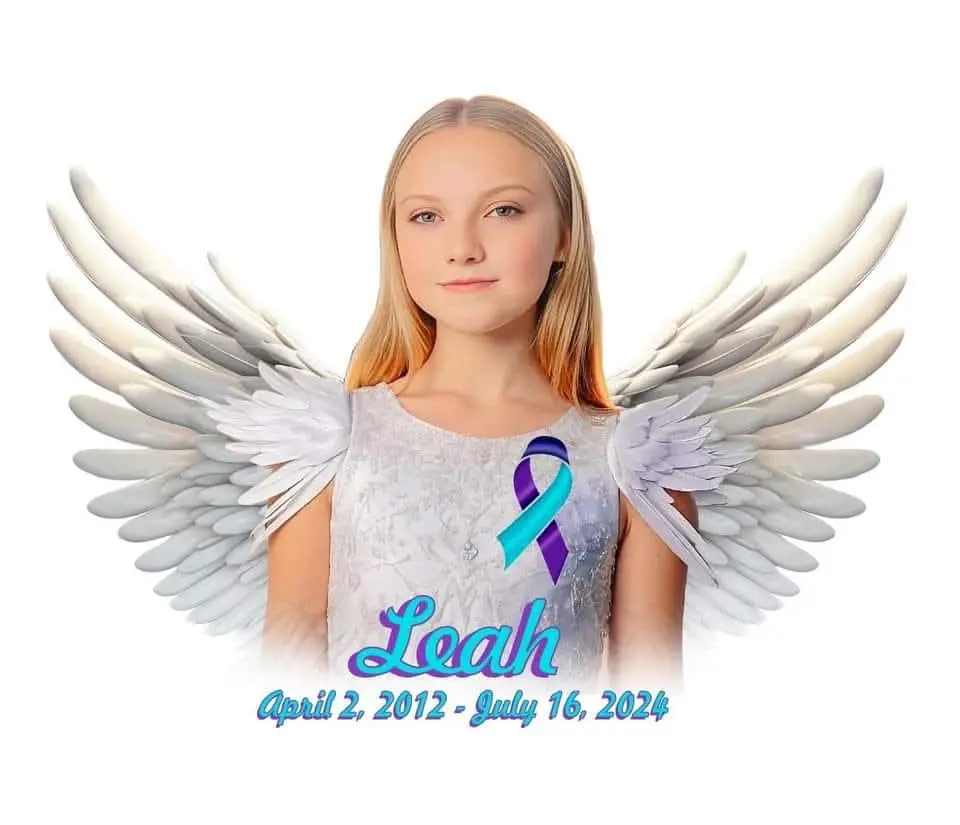
Start where you are
What brought you here?
Choose the path that feels closest. Each one begins with something you can do now.
I need help for myself
Take the next safe step. You do not have to explain everything first.
Continue →Choose this pathI’m worried about someone
Ask directly, stay present, and bring in more support.
Continue →Choose this pathI’m a young person
Words you can use with an adult—even when you do not know how to begin.
Continue →Choose this pathI’m living after a loss
Support for shock, anger, guilt, difficult dates, and the questions grief carries.
Continue →If you may not be safe
Stay for the next ten minutes.
Move toward another person. Put distance between you and anything dangerous. Tell someone, “I do not feel safe being alone right now.” Then call or text 988 together.
Walk through the next 10 minutesPractical, human guidance
Know what to do next.
No perfect speech is required. These guides give you clear actions and words you can actually use.
Warning signs
Learn the difference between warning signs, risk factors, and immediate danger.
Read guide →GuideAsk the question
Simple, direct words for asking someone whether they are thinking about suicide.
Read guide →GuideFor parents
What to do when your child says they want to die or may not be safe.
Read guide →GuideSafety planning
Build a personal plan with warning signs, people, professional help, and safer surroundings.
Read guide →GuideWhat happens at 988
Understand what to expect when you call, text, or chat.
Read guide →GuideTrusted resources
National and Kansas City-area starting points, with dates and verification notes.
Read guide →Kansas City and Missouri
Start with locally relevant, official resource pathways.
The regional guide now opens into seven official-source-checked state and county pathways for Missouri, Kansas, Jackson, Clay and Platte, Cass, Johnson, and Wyandotte. Every page explains what to do now and what to confirm before traveling.
Explore local resourcesHelp for the moment you are actually in
More than general advice.
These guides address the words, fears, and decisions that often make reaching out difficult. Each page begins with something you can do now.
I want the pain to stop
A direct path for the moment when pain—not death—is what you want to escape.
How to say “I’m not safe”
Short messages you can copy, send, or show to another person.
When I feel like a burden
Challenge the belief without minimizing the pain beneath it.
Five actions that help
Ask, be there, help keep them safe, connect, and follow up.
What to say—and avoid
Supportive words, common mistakes, and how to repair a hard conversation.
After a suicide attempt
Practical support, follow-up, privacy, and safety after discharge.
My child is self-harming
Respond with direct safety questions, care, and professional assessment.
Emergency mental-health evaluation
What may happen, what to bring, and what to ask before leaving.
Alcohol, drugs, and suicide risk
Why intoxication can increase danger and how to respond without delay.
The first days after a suicide
Gentle, practical guidance for shock, decisions, children, and privacy.
Created here. Built to be used.
Original tools for hard moments.
Practical, printable resources with exact words, clear handoffs, local verification dates, and honest professional-review status.
Words You Can Use
Ask directly, respond to the answer, and make a warm handoff.
Open conversation card →For parentsThe first conversation
Exact language for listening, asking about suicide, and planning the next 24 hours.
Read parent guide →For school teamsResponse & notification checklist
A review-ready aid for supervision, parent contact, handoff, documentation, and reentry.
Open checklist →After a lossCare that keeps showing up
What to say, what to offer, how to protect privacy, and when to check again.
Read family-support guide →Official sources checked August 23, 2026Kansas City source-check report
A public record of official pathways, evidence limits, and details to confirm before traveling.
Read the 2026 report →Review-readyFive short video scripts
Calm, caption-friendly scripts for parents, friends, schools, loss support, and Leah’s whole-life memorial.
Read the scripts →You are not alone
Read a little hope when you need it.
The Hope Board is currently read-only. Previously approved messages remain available while submission safety, privacy, minor-protection, and moderation controls receive qualified review.
Your story is still being written. You deserve support before you have the perfect words for what hurts.
A life, not a statistic
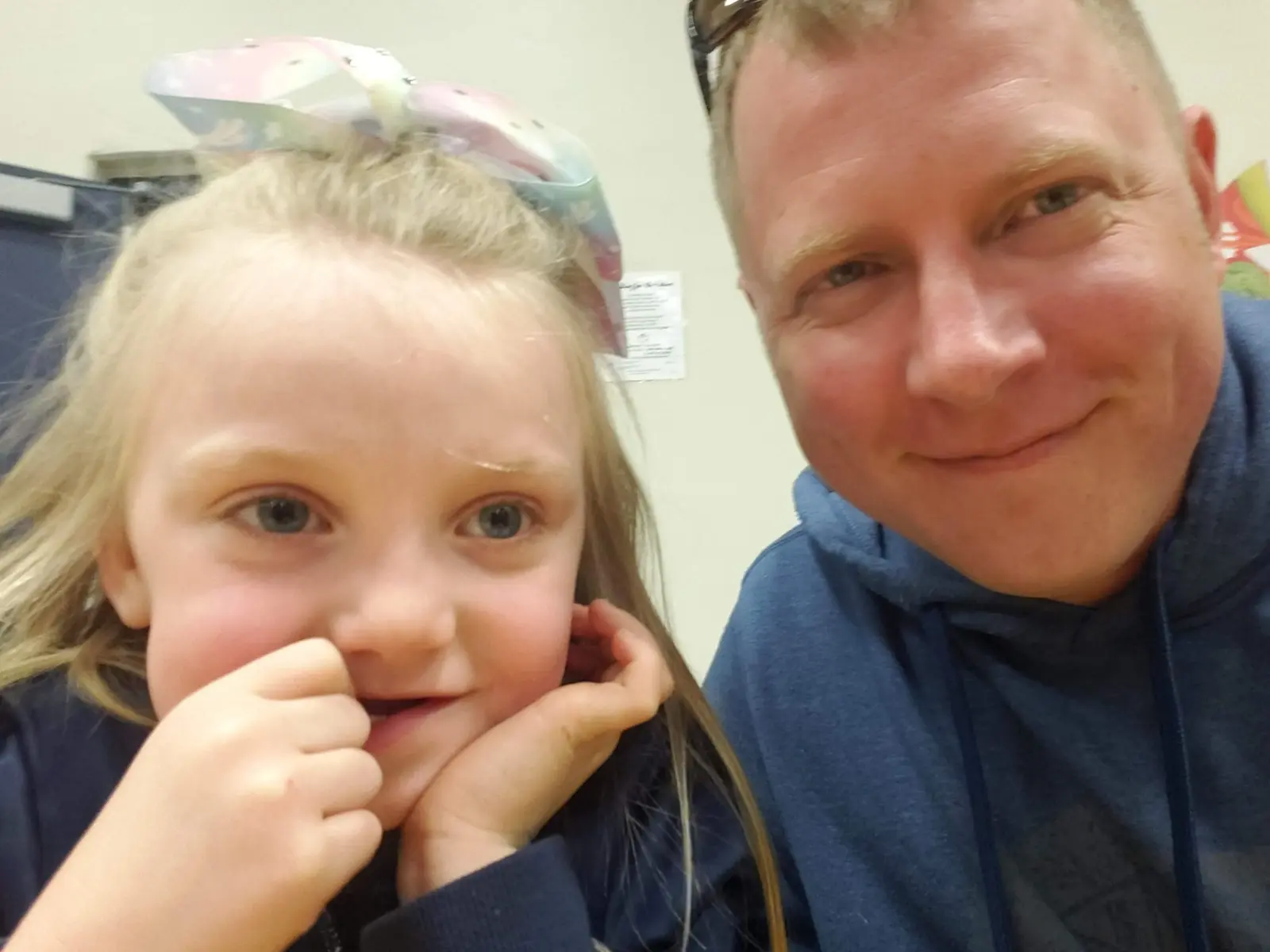
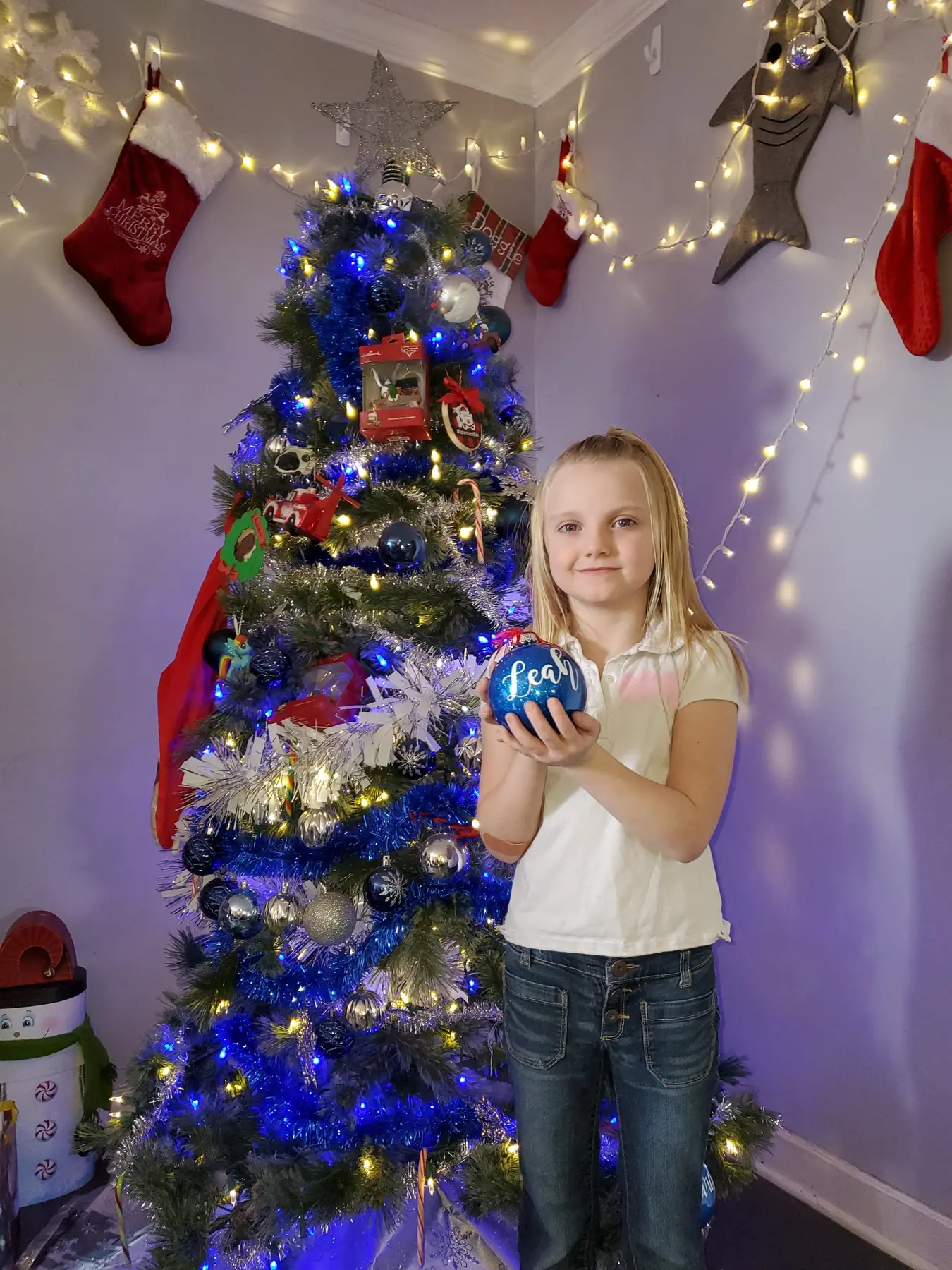
Her name was Leah.
She was a daughter, a sister, a smile, a laugh, and a future. She was deeply loved.
Leah’s story is not here to explain one impossible moment. It is here to help another person be heard sooner—and to remind the rest of us to ask, listen, stay, and act.
Meet Leah and learn why this exists →A moment Tommy felt in his heart
A butterfly for Leah.
Today gave me one of those moments that stops you in your tracks.
“Butterfly” was one of the songs played at Leah’s funeral. Ever since we lost her, Tommy has talked about Leah as his butterfly.
Today, a monarch landed in his hand.

I watched his face change as he looked at it. For a little boy, there didn’t need to be a long explanation. In that moment, he made his own connection between that butterfly and his sister. And watching him feel that connection was beautiful, heartbreaking, and healing all at once.
Grief doesn’t disappear. We learn how to carry it. We learn to recognize love in new places—in a song, a memory, a photograph, a breeze, or sometimes in a butterfly that lands in your hand at exactly the right moment.
If you are hurting today, please keep going. Give yourself permission to heal. Ask for help. Work on the parts of yourself that are hurting. Forgive yourself for not having everything figured out. Choose one more day, one more conversation, one more chance for things to become different.
There are people who would give anything for one more ordinary afternoon, one more hug, one more laugh, one more chance to say, “I love you.”
Your life matters more than you may be able to see from where you are standing right now.
And sometimes, even after unimaginable loss, a little butterfly can remind us that love has a way of continuing to show up.
Leah Matters. You matter. Be a reason someone stays.
Get help nowLeah, in the moments that mattered
A life made of little moments.
Road trips and puppies, cheer days and friends, spaghetti, laughter, family, and ordinary days made extraordinary because Leah was in them.
The Leah Matters promise
We will ask the hard question.
We will make room for honest answers.
We will not look away.
Every life contains chapters no one else can see. We choose compassion before judgment, connection before silence, and continued support after the crisis has passed.
Support Leah’s living legacy
Help turn remembrance into connection and action.
You can help Leah Matters by sharing official-source-checked resources, volunteering professional expertise, or building careful community partnerships in Leah’s name. Financial giving is paused while organizational and fundraising controls are verified.
No online, mailed, or donation-interest contributions are being accepted through this website at this time.
Trust is a safety feature